
Estimated reading time: 7 minute(s)
With the Green Party growing rapidly under Zack Polanski, I’m seeing the usual opposition comments about them. No attempts to actually debate policies – instead they go for personal attacks. They don’t represent the working class. That the left-wing views come from university indoctrination, and the tired cliché that as you get older, you naturally drift right.
None of that fits my story.
I didn’t come to my politics through university. I didn’t mellow into conservatism with age. My values come from my childhood, growing up working-class in East London, and the experiences that never left me.
Growing Up on the Edge
I grew up in social housing in East London with my mum and dad, during the 80s. My parents were on benefits. I had free school meals, uniforms, and those old gas and electric meters that swallowed coins. Until they swapped it for a key meter that meant having to get it topped up. We had a paraffin heater on the landing to keep the upstairs warm. None of this fancy double glazing or central heating. My dad was very strict about money, making sure that the limited money we did have was available to pay for rent, gas, electricity, installments on a modest Christmas hamper. Not extravagant by any means, but still made Christmas something to look forward to. We didn’t even have a phone in the house until the mid-90s.
That mattered in 1994. My dad had epilepsy, and one night I was woken by a crash in the bathroom. Not unusual – it was fairly common occurrence to hear my dad fall while having a fit. Except this time, something felt off. He didn’t seem to come round the way he normally would, and we quickly became worried. Without a phone in the house, my mum had to bang on a neighbour’s door at 1am to get them to call an ambulance.
The ambulance took him away. My mum wasn’t allowed in, probably because they were still trying to resuscitate him. Soon after, a police car arrived to take us to the hospital. At the time it felt surreal, sitting in the back of a squad car, speeding through empty streets in the middle of the night with the lights flashing no sirens. That’s where we found out my dad had died and my world shattered. The coroner later called it SUDEP: Sudden Unexpected Death in Epilepsy.
Not having a phone didn’t kill him, the coroner ruled that the ambulance arriving a few minutes earlier would not have made a difference. But it shaped everything about how we lived that night. It underlined what life on the edge means: the basics you lack can matter in the worst ways. No way to contact emergency services quickly, no way for my mum to contact a family member and let them know what had happened and arrange child care for me. We’d always go down the road to a pay phone if we wanted to call someone. After my dad died, I remember my mum receiving a widow’s benefit payout, which in part meant we could afford some of the up-front expenses we wouldn’t have previously been able to pay for, and that made life a bit easier. But why did it take my dad dying for that to happen?
Survival, Not Comfort
Some people sneer that being on benefits isn’t “working class,” as if it was cushy. It wasn’t then, and it isn’t now. Benefits meant survival, not comfort.
If it had been cushy, we wouldn’t have regularly gone into emergency credit on the key meters as we juggled getting to the next benefit payment. I wouldn’t have missed certain school trips because my parents couldn’t afford them. I wouldn’t have been stuck with nasty plastic football boots I was ashamed to wear, so consequently only played once for my school team. I could have been the answer to England’s left wing problem!
You didn’t need to be told you were poor. The reminders were constant. A holiday was staying with family who’d left East London to somewhere more scenic or the occasional daytrip with cousins to Southend. One time my parents arranged a daytrip to Canvey Island for just the three of us, going by coach and changing three times just to save money. Rain ruined the plan, but the journey itself felt special, reading the comic or puzzle book that my parents bought me for the journey – a rare treat. Clothes and toys came from Oxfam or from people we knew. We had no car (and I still don’t own one).
But those reminders didn’t make me bitter. They made me determined. I look back on those days with fondness and thanks that I am the person I am today because of the things I experienced as a child.
Working-class isn’t defined by whether your parents had a payslip every Friday. It doesn’t stop when you get a half-decent job later in life, either. It’s about where you sit in society, the insecurity you live with, and the opportunities you go without. I work in IT consultancy now. I earn a good wage on paper. But like many of my friends and family, I still rent. I still live with the same insecurity that millions do. One missed paycheck and the whole house of cards comes down. That reality never leaves you.
What Shaped My Politics
Poverty wasn’t the whole story. It took a long time for me to actually become more politically aware, but looking back, there were a few other things I can point to that shaped the person I am today.
I said that my parents were on benefits, but that didn’t mean they were idle. My mum volunteered regularly for Mencap and other disability groups in the area, as well as helping with older people, cooking meals for them, and other activities. When I was off school I’d go along to these with her, and so saw first hand that volunteers were essential to these services. I imagine today that there are many such technically unemployed people who are carers and volunteers using their time this way.
Of course, being football mad, my preference was always to be out with my mates playing football. And let’s just think about the people who I played football with. Irish, Indian, Pakistani, Bangladeshi, Black, Portuguese just to name a few. I grew up in a culturally diverse part of London. The sort of area where schools actually closed for Muslim, Hindu and Sikh holidays, not just Christian ones. This blew up about 15 years ago when national newspapers found out about it and everyone lost their marbles, not realising it’d been that way for decades and it’d been absolutely no problem. Yet I didn’t think anything of this multicultural world I lived in, with my friends from all over the world. It was normal.
Except for one time where it became crystal clear that not everyone had the same view of the world. While walking home with a friend one day, perhaps about 11 years old, a group of men in a van drove past and shouted the P word at my mate. Grown men, calling a little kid a racist name. Picture that. Doesn’t it make you sick? I was shocked, but my mate wasn’t. He was used to it. That made me angry that I couldn’t do anything about it. What saddens me now is there are people I grew up with who had the same multicultural group of friends with common interests, who now call for closing borders. What changed to make them hate others who are just like them?
I do remember having plenty of toys, but they were nearly always second hand. While my mates and family were playing on the latest Nintendo, or Commodore 64, I was playing on a hand-me-down Atari 2600. And in moments of feeling like I didn’t have some of the things other children had, I’d often come up with my own entertainment to fill the gaps. I’d write Doctor Who “plays” and come up with board game ideas.
TV filled gaps as well. Doctor Who (the Sylvester McCoy era I grew up on) was about standing up to bullies, questioning authority, and finding clever ways to beat stronger powers. Star Trek: The Next Generation imagined a future without poverty or inequality; a society built on fairness, exploration, and curiosity. And Quantum Leap put Sam Beckett into someone else’s life every week, forcing him to confront racism, sexism, poverty, and injustice head on.
Different shows, but the same message underneath: the world doesn’t have to stay the way it is. We can choose compassion, fairness, and justice. Those ideas stuck with me.
I had a few books, usually gifted to me at Christmas or birthdays, but most of my reading came from the local library. Asterix and Tintin were just fun adventures at the time, but looking back, Tintin exposed me to questions of injustice and power, while Asterix was literally about standing up to empire. Even my comics were teaching me that small voices could resist big powers. Libraries gave me stories and ideas I couldn’t have afforded otherwise. That’s why I’ll always defend the need to keep libraries in our communities.
So How Did a Working-Class Lad End Up in the Greens?
I wasn’t political as a younger man. That changed after my first child was born in 2006. Suddenly the future mattered. I cared about what was happening around me.
By 2010, austerity was biting. By 2014, I felt politically homeless. Labour was too busy chasing UKIP and the Tories on migration instead of challenging the austerity narrative. Voting for the “least worst” option felt hollow.
So I started reading manifestos properly. And I realised something: the Greens weren’t about recycling or bikes (okay, they are, but not JUST that), as people liked to joke. Their policies spoke directly to the life I’d lived: free school meals, social housing, parents on benefits, lacking essential communication. But they also joined the dots I hadn’t really thought about before: environmental issues and working-class issues weren’t separate at all. Cold, damp homes aren’t just bad for the planet, they wreck your health and drain your wallet. Public transport isn’t just green, it’s cheaper than owning a car you can’t afford. Green jobs mean secure wages and apprenticeships, not abstract climate policy. Suddenly it clicked: the Greens covered it all.
These policies would help kids growing up today in the position I was in back then. And if that helped my local community, my friends, my family and society, then I would benefit by proxy. That’s why I wanted to vote Green. Not because I had something to gain, but because I recognised their policies would help the people living the life I once did.
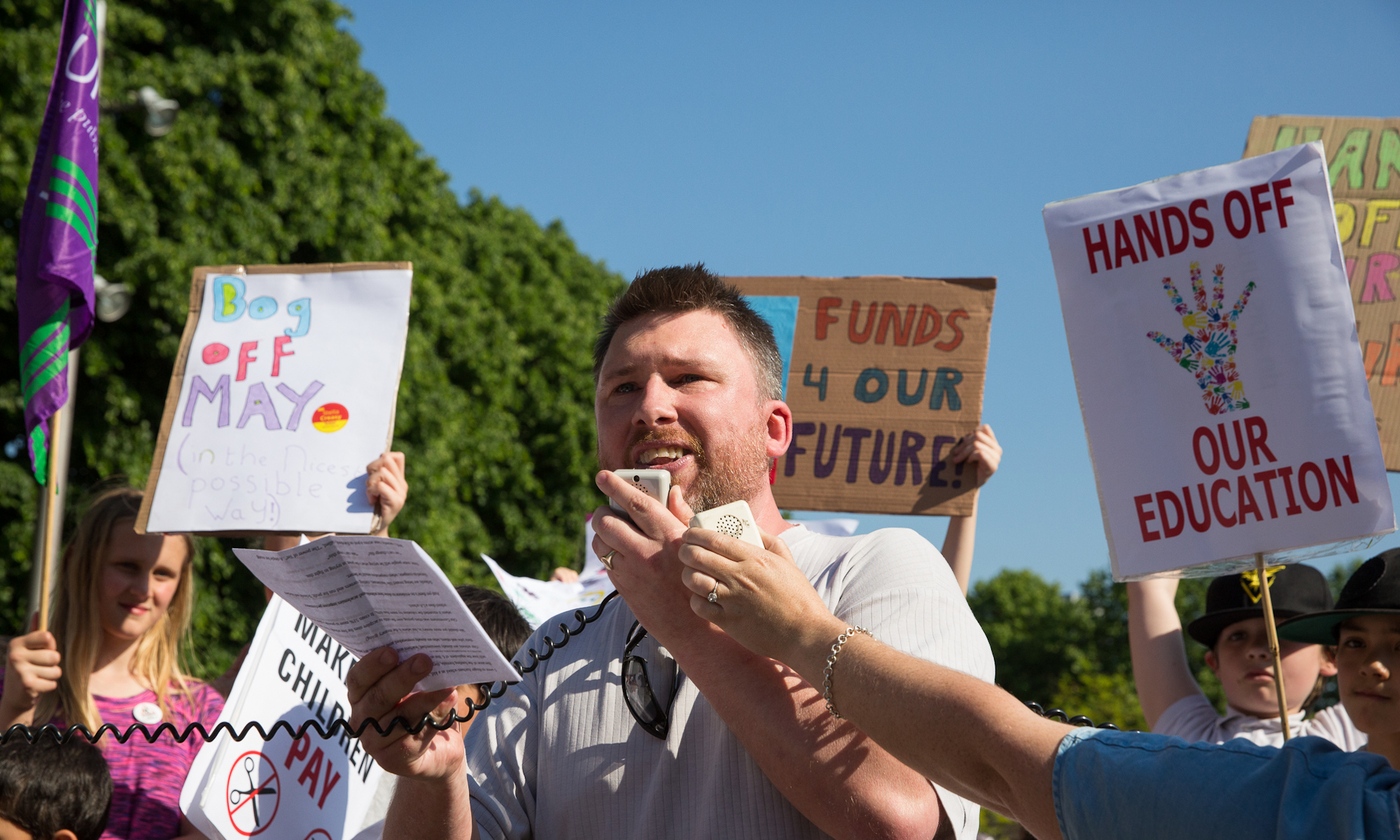
I didn’t stop at voting. I got stuck in. Meetings, campaigns, helping candidates. I became coordinator of the local party. Eventually I stood as a candidate myself, in my hometown of Walthamstow. Born and raised there. Fifth generation. I wasn’t some recent arrival via “gentrification.” Standing there meant something to me.
Why Greens Are Working Class Politics
Critics say Greens are just for comfortable professionals. Nonsense. If you’re in a union, stuck on zero-hours, or bleeding half your wages into bills while shareholders pocket dividends, the Greens are fighting for you.
- Bring rail, buses, water and energy back into public hands – so your pay packet isn’t drained to feed shareholders.
- Stronger trade union rights – reversing anti-strike laws and giving workers real power to demand fair pay.
- A genuine living wage – not the government’s pretend “minimum wage” that still leaves you skint.
- End zero-hours contracts and bogus self-employment – real jobs, real security.
- Rent controls – because working all week shouldn’t mean handing half your income to a landlord.
- Green jobs investment – skilled apprenticeships, retraining, and secure work for decades ahead.
- Free school meals and scrapping benefit sanctions – because kids shouldn’t go hungry and no one should be punished for being poor.
And where Greens do get power, they’ve shown they’ll use it. In Brighton, they’ve pushed insulation schemes and anti-eviction support. In Bristol, they’ve fought for tenants’ rights. Across Europe, Greens in government have delivered cheaper public transport and real investment in housing. So it’s not just promises, the track record is there.
That’s not comfortable-class stuff. That’s the stuff that makes a genuine difference to those who are just surviving. A chance to get their head above water, take a breath, and stop drowning long enough to swim to a safer shore.
If the Greens were just for the comfortable, why are their policies aimed at renters, carers, and low-paid workers – and the people that fear them most are the wealthiest?
Where I Am Now
I burnt out after too many elections and a referendum in quick succession. My health was a concern, and when my bank card expired my membership lapsed. But my belief in Green policy never changed.
I still believe in fairness, climate action, justice. I know what happens when the safety net isn’t there, because I’ve lived it. And I know how many of us are only ever one step from the edge.
That’s why I watch what Zack Polanski is doing with interest. I’ve met him, I know his sincerity. That’s why I’ll always back parties that put working-class lives first, whether that’s the Greens, or anyone serious about giving us a fairer future.
Call me socialist, Marxist, Communist, whatever label suits. I don’t care about the word. I care about the reality: whether politics delivers fairness, justice, and a future worth leaving to our kids.
That’s where I’ve come from. That’s why I joined the Greens. That’s why I still hold those values. And that’s why I’ll keep supporting parties that speaks for working class people like me.
And if you’ve read this and found yourself nodding in recognition, maybe give the Greens a proper look. You might find they speak to more of your life than you thought.
Because in the end, politics should be about people like us.